
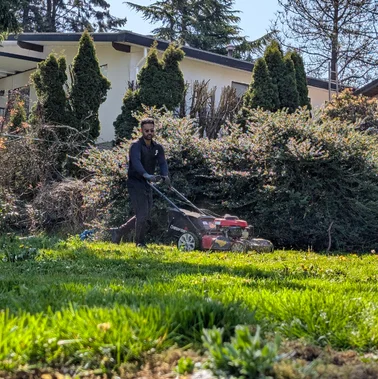
As winter recedes and the first signs of spring emerge, Vancouver and the Lower Mainland undergo a remarkable transformation. From March to May, the city’s landscapes awaken—cherry blossoms blanket streets, gardens burst into colour, and families prepare to shift gears from winter routines to spring renewal. For homeowners, this is more than a seasonal change; it’s an opportunity to revitalize lawns and gardens, remove the remnants of winter, and set the stage for a thriving outdoor space that matches the city’s natural beauty.
Spring landscaping in Vancouver is not just about aesthetics—it’s about health, sustainability, and making the most of the region’s unique climate. The mild, rainy winters and temperate springs create ideal conditions for lush growth, but also pose challenges such as soil compaction, moss, and lingering debris. This article provides a comprehensive, SEO-optimized guide for Vancouver and Lower Mainland homeowners, covering essential tasks from garden bed cleanup to lawn aeration, pruning, mulching, and composting. We’ll also explore sustainable practices, pest prevention, and offer a detailed seasonal checklist to ensure your property flourishes alongside the city’s spring bloom.
Vancouver’s spring is defined by moderate temperatures (7–20°C from March to May), abundant rainfall (150mm in March, tapering to 50mm in May), and increasing daylight. These conditions create a long growing season and support a wide variety of plants, but also mean that winter debris, moss, and compacted soil are common challenges.
The city’s spring transformation is most visible during the Vancouver Cherry Blossom Festival (March 26–April 28), when thousands of trees bloom and neighbourhoods become vibrant with colour. Homeowners are inspired to ensure their own lawns and gardens reflect this seasonal beauty, making spring landscaping a priority.
The transition from winter to spring is a “fresh start for the land.” It’s the ideal time to:
By tackling these tasks early, families can enjoy healthier, more beautiful outdoor spaces and avoid costly problems later in the season.
March marks the beginning of active gardening in Vancouver. As temperatures rise and the ground thaws, it’s time to assess winter damage and prepare for the growing season. Dead plants, leaves, and debris not only look unsightly but can also:
A thorough cleanup sets the stage for a healthy, vibrant garden and lawn.
Dead annuals and perennials should be pulled out, roots and all, and added to the compost bin. This prevents disease and makes room for new plantings.
Rake leaves, twigs, and branches from garden beds and lawns. Remove any protective winter mulch or coverings once temperatures are consistently above 10°C.
Grass often creeps into beds over winter. Early spring is the best time to edge and redefine boundaries, making maintenance easier throughout the season.
Test soil pH—Vancouver’s rainfall often leads to acidic conditions. Amend with lime if needed and mix in compost or well-rotted manure to improve fertility and drainage.
Weeds are easier to spot and pull before perennials fill in. Removing them now prevents competition for nutrients and water.
Professional landscaping companies in Vancouver like JF Services offer comprehensive spring cleanup services, including debris removal, bed edging, and soil amendment. For DIY homeowners, the City of Vancouver provides seasonal tips and guidelines for garden maintenance.
Reference: City of Vancouver Seasonal Fire Prevention Tips
April: Pruning Deciduous Trees and Shrubs
The Importance of Spring Pruning
Pruning is essential for tree and shrub health, safety, and aesthetics. In Vancouver’s climate, late winter to early spring (February–March) is the prime window for most deciduous trees. Pruning during dormancy:
For flowering trees, wait until after blossoms drop to avoid cutting off next year’s buds.
How to Prune Properly
1. Assess Trees and Shrubs
Look for dead, diseased, or crossing branches. Remove these first to prevent decay and improve air circulation.
2. Use Correct Techniques
3. Shape and Maintain Structure
Strategic cuts help shape trees for long-term health and curb appeal. Over-pruning can stunt growth and make trees vulnerable.
4. Know Local Regulations
Vancouver’s Protection of Trees By-law requires permits for pruning or removing large, heritage, or street trees (trunk diameter >20cm at 1.4m above ground). Always check with the city before major work.
Refrence:: City of Vancouver Tree Removal Permit
When to Hire a Professional Arborist
Large trees, those near power lines, or protected species should be pruned by certified arborists. Professionals ensure safety, compliance, and optimal tree health.
Refrence :: BC Landscape and Nursery Association
May: Aerating and Overseeding Lawns
Why Aeration and Overseeding Are Vital
Vancouver’s wet winters and heavy spring rains often lead to compacted soil and thatch buildup, which restricts air, water, and nutrient flow to grass roots. Aeration and overseeding in May help:
Overseeding fills bare spots and introduces resilient grass varieties suited to Vancouver’s climate.
Step-by-Step Lawn Care
1. Aerate the Lawn
Use a core aerator to remove small plugs of soil, especially in high-traffic or waterlogged areas. Leave the plugs to decompose and enrich the soil.
2. Overseed with Local Grass Mixes
Choose cool-season grasses like perennial ryegrass or fine fescues, which thrive in Vancouver’s conditions. Spread seed evenly and gently rake to ensure good soil contact.
3. Fertilize and Water
Apply a starter fertilizer to support new growth. Water gently but consistently to keep the soil moist for several weeks.
4. Dethatch if Needed
Remove excessive thatch (more than 2cm thick) using a dethatching rake or machine. This allows water and nutrients to reach the roots.
5. Mow High and Regularly
Set mower blades to 5–6cm to encourage deep roots and shade out weeds. Mow at least once a week during peak growth.
Pest and Disease Prevention
Healthy, well-aerated lawns are less susceptible to pests like chafer beetles and fungal diseases. Monitor for signs of damage and treat early using integrated pest management (IPM) strategies.
Reference ::Metro Vancouver Seasonal Lawn Care
Applying Mulch: Weed Control and Moisture Retention
The Benefits of Mulching
Mulch is one of the most effective tools for Vancouver gardeners. Organic mulch (bark, wood chips, straw, compost) offers:
Mulching is especially important in Vancouver’s climate, where spring rains can compact soil and summer droughts stress plants.
How to Apply Mulch Correctly
1. Choose the Right Material
2. Prepare the Area
Remove weeds and debris before spreading mulch. Break up old, compacted mulch to allow air and water flow.
3. Apply 2–4 Inches
Less than 2″ dries out quickly; more than 4″ can suffocate roots. Keep mulch away from plant stems and tree trunks to prevent rot and pest issues.
4. Replenish Seasonally
Mulch decomposes over time—top up once or twice a year for continued benefits.
Reference ::DH Garden Centre Organic Mulch Guide
Composting and Using Dead Plants as Natural Fertilizer
Turning Debris into Garden Gold
Spring cleanup generates a significant amount of organic waste—dead plants, leaves, grass clippings, and pruned branches. Composting these materials:
How to Compost Effectively in Vancouver
1. Use the Green Bin Program
The City of Vancouver’s Green Bin Program accepts food scraps, yard trimmings, and small branches. Materials are processed into compost for landscaping and agriculture.
Reference ::City of Vancouver Green Bin Composting
2. Backyard Composting
Set up a compost bin in a flat, well-drained area. Alternate layers of green (nitrogen-rich) and brown (carbon-rich) materials. Turn regularly and maintain moisture like a wrung-out sponge.
3. What to Compost
4. Use Finished Compost
Spread compost on lawns (5mm layer), around trees and perennials, or mix into potting soil. Compost improves soil health, reduces chemical fertilizer needs, and supports beneficial microbes.
Reference ::Metro Vancouver Composting Guidelines
Seasonal Equipment Shift: From Snow Tools to Spring Fertilizers and Seeds
Making the Transition
As spring arrives, it’s time to put away snow shovels, salt, and ice melt, and bring out:
Clean and store winter equipment properly to prevent rust and damage. Prepare spring tools by sharpening blades, checking irrigation systems, and stocking up on supplies.
Fertilizing Schedule for Vancouver Lawns
A strategic fertilization schedule supports lush, green lawns and healthy plants:
Always follow label instructions, use a spreader for even coverage, and water thoroughly after application.
Reference ::Purity Feed BC Lawn Fertilizing Schedule
Pest and Disease Prevention After Winter Cleanup
Why Prevention Is Key
Vancouver’s mild, wet climate supports a wide range of garden pests and diseases, including:
Spring cleanup removes overwintering sites and reduces pest pressure. Healthy, well-maintained gardens are naturally more resistant to infestations.
Integrated Pest Management (IPM) Strategies
1. Monitor Regularly
Inspect plants for signs of pests or disease. Early detection allows for targeted treatment and prevents outbreaks.
2. Encourage Natural Predators
Create habitats for birds, beneficial insects (ladybugs, lacewings), and ground beetles. Leave some leaf litter and wild areas for biodiversity.
3. Use Organic Controls
Apply beneficial nematodes for chafer beetles, use cedar or neem oil for fungal issues, and hand-pick pests when possible.
4. Avoid Overuse of Chemicals
Spot-treat only when necessary and follow local guidelines for pesticide use. Vancouver emphasizes sustainable, environmentally friendly pest management.
Reference ::BC Home and Garden Pest Management Guide
Sustainable Landscaping Practices and Green Renovation Guidance
Why Sustainability Matters
Vancouver is a leader in green initiatives, and sustainable landscaping offers:
Key Sustainable Practices
1. Use Native and Climate-Appropriate Plants
Native species like salal, Oregon grape, and Pacific bleeding heart thrive with less maintenance and support local wildlife.
2. Water Management
Install rain gardens, rain barrels, and smart irrigation controllers to conserve water and manage runoff.
3. Soil Health
Regularly test and amend soil, use organic mulch and compost, and avoid chemical treatments.
4. Sustainable Hardscaping
Choose permeable pavers, recycled materials, and locally sourced stone for patios and walkways.
5. Wildlife-Friendly Design
Include berry-producing shrubs, pollinator-friendly flowers, and bird baths to support local ecosystems.
Reference ::City of Vancouver Green Landscaping Guide
Professional Landscaping Services: When to Hire Experts
Benefits of Professional Help
While many spring tasks can be handled by homeowners, professional landscapers and arborists offer:
Professional services are especially valuable for large properties, complex tree work, or when time and expertise are limited.
Reference ::BC Society of Landscape Architects
Vancouver’s Spring Bloom: Matching Your Yard to the City’s Beauty
From March to May, Vancouver’s public spaces and neighbourhoods come alive with cherry blossoms, tulips, and lush greenery. Homeowners are encouraged to ensure their own lawns and gardens reflect this vibrancy by following seasonal landscaping best practices.
Participate in local events, visit botanical gardens, and take inspiration from the city’s transformation. A well-maintained yard not only enhances curb appeal but also contributes to Vancouver’s reputation as one of the world’s most beautiful cities.
Reference ::Vancouver Cherry Blossom Festival
SEO Optimization: Local Keywords for Vancouver Landscaping
Throughout this article, we’ve integrated high-value local SEO keywords to help homeowners and landscaping companies reach their target audience:
These keywords are strategically placed to maximize search engine visibility and connect readers with relevant local services and resources.
Seasonal Checklist Table: March, April, and May Tasks
| Month | Essential Tasks | Details & Tips |
| March | Garden bed cleanup, remove winter debris, edge beds, early weeding, soil prep | Pull dead plants, rake leaves/branches, test/amend soil, compost debris, prep tools |
| April | Prune deciduous trees/shrubs, fertilize, plant cool-season veggies, mulch beds | Prune before buds break, apply slow-release fertilizer, plant peas/spinach, spread mulch |
| May | Aerate and overseed lawns, dethatch, mow regularly, monitor pests, mulch again | Core aerate, overseed with local grass mix, dethatch, mow high, apply mulch, inspect for pests |
Checklist Table Analysis
This checklist provides a month-by-month guide for Vancouver and Lower Mainland homeowners to ensure their yards are healthy, beautiful, and ready for the city’s spring bloom. March focuses on cleanup and soil preparation, April on pruning and planting, and May on lawn care and pest monitoring. Each task is tailored to the region’s climate and seasonal challenges, with an emphasis on sustainability and long-term health.
By following this schedule, families can confidently transition from winter to spring, putting away snow tools and bringing out fertilizers, seeds, and soils for a fresh start. Composting and mulching are integrated throughout to support natural fertility and weed control, while professional services are available for more complex needs.
Conclusion: Spring Renewal for Vancouver Homes
Spring in Vancouver is a time of renewal, growth, and beauty. By embracing essential landscaping tasks from March to May—garden cleanup, pruning, aeration, overseeding, mulching, and composting—homeowners can ensure their properties match the city’s vibrant transformation. Sustainable practices, pest prevention, and professional support further enhance the health and appeal of lawns and gardens.
This season, let your yard reflect the best of Vancouver’s spring. Remove the old, nurture the new, and enjoy a landscape that’s ready to thrive. For expert help, local resources, and ongoing inspiration, connect with Vancouver’s leading landscaping professionals and city programs.
Reference :Local Resources:
For professional Vancouver spring landscaping, garden cleanup, and sustainable yard maintenance, contact your local experts today. Let’s grow together—making every home a reflection of Vancouver’s springtime beauty.
Seasonal Checklist Table for Vancouver Homeowners
| Month | Task Category | Specific Tasks | Pro Tips & Local Resources |
| March | Garden Cleanup | Remove dead plants, rake leaves/branches, clear winter mulch, edge beds, early weeding | Compost debris, test/amend soil, prep tools, City of Vancouver Seasonal Tips |
| April | Pruning & Planting | Prune deciduous trees/shrubs, fertilize, plant cool-season veggies, mulch beds | Prune before buds break, apply slow-release fertilizer, plant peas/spinach, spread mulch, Tree Pruning Guide |
| May | Lawn Care & Mulching | Aerate and overseed lawns, dethatch, mow regularly, monitor pests, mulch again | Core aerate, overseed with local grass mix, dethatch, mow high, apply mulch, inspect for pests, Metro Vancouver Lawn Care |
Month Task Category Specific Tasks Pro Tips & Local Resources
March Garden Cleanup Remove dead plants, rake leaves/branches, clear winter mulch, edge beds, early weeding Compost debris, test/amend soil, prep tools, City of Vancouver Seasonal Tips
April Pruning & Planting Prune deciduous trees/shrubs, fertilize, plant cool-season veggies, mulch beds Prune before buds break, apply slow-release fertilizer, plant peas/spinach, spread mulch, Tree Pruning Guide
May Lawn Care & Mulching Aerate and overseed lawns, dethatch, mow regularly, monitor pests, mulch again Core aerate, overseed with local grass mix, dethatch, mow high, apply mulch, inspect for pests, Metro Vancouver Lawn Care
Ready for a fresh start? Schedule your Vancouver spring landscaping today and watch your garden bloom with the city.